


By the Georgian Association of Cinematographers
Cinema is a language spoken without translators, bound together by light, shadow, optics, and movement. This spirit of shared visual craftsmanship defined our recent trip to Yerevan, where representatives from the Georgian Association of Cinematographers (GAC) had the privilege of attending DoPing as honored guests, invited and hosted by our colleagues at the Armenian Cinematographers Guild (ACG).
Organized as an intensive forum for visual storytellers, DoPing brought together filmmakers, tech pioneers, and regional delegations for a deep dive into the craft of moving images. Connecting regional cinematographers isn’t just about comparing camera specs—it’s about aligning our creative philosophies, strengthening cross-border communication, and elevating visual storytelling across the South Caucasus.
Hands-On with the Edge of Technology
DoPing delivered an intensive, practical exploration of modern camera systems and advanced lighting. For practicing cinematographers, testing equipment side-by-side in real-time builds the exact foundation needed for artistic experimentation on set.
- Glass & Sensors: Direct side-by-side testing of signature lens series—from character-rich vintage glass to high-end optical systems—mounted directly onto modern large-format cinema sensors.
- Shaping Light: Practical lighting setups featuring modern LED matrix systems, precision optical shaping tools, and dynamic rig configurations designed for rapid set adjustments.
- Rental & Tech Partners: Direct technical exchange with regional rental equipment teams and gear technicians, optimizing workflow solutions and technical handoffs for future co-productions.
Masterclasses & Creative Dialogue: The Language of Cinema
Beyond the equipment, the soul of DoPing lived within its masterclasses, panel discussions, and candid case studies. The festival provided a platform for prominent guest cinematographers to share their artistic aims, career paths, and personal ways of thinking about visual narrative.
To examine three of this year’s featured masters—Bruno Delbonel, Mahmoud Kalari, and Seamus McGarvey—is to observe three completely distinct dialects within the universal language of cinema. While all three manipulate the same foundational components—glass, light, sensor/film, and spatial movement—their individual techniques reveal vastly different artistic aims.
Bruno Delbonel: The Painterly Atmosphere & Subjective Poetry
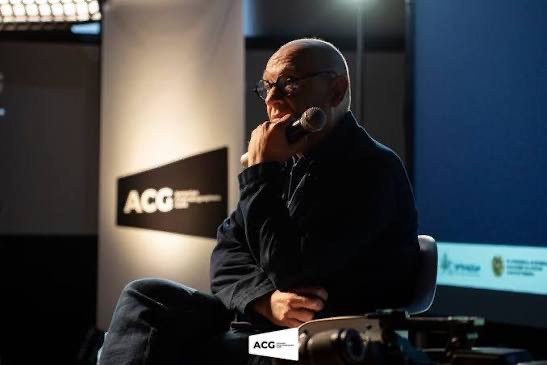
French cinematographer Bruno Delbonel (ASC, AFC) approaches the frame not as a recording device, but as a painter’s canvas. Known for his work with Jean-Pierre Jeunet (Amélie), the Coen brothers (Inside Llewyn Davis), and Joe Wright (Darkest Hour), Delbonel shared his philosophy on pushing images far beyond basic naturalism.
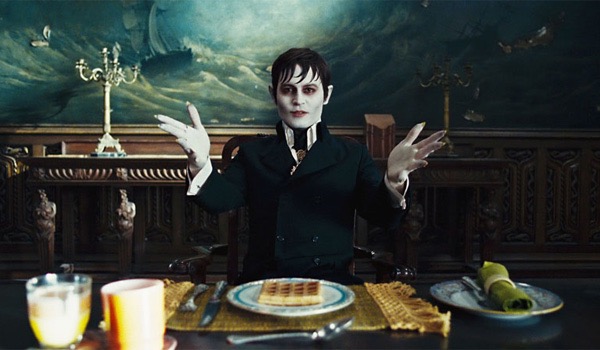
- The Aim: To craft an impressionistic, highly stylized visual atmosphere that reflects a character’s internal psychological state rather than objective reality.
- Philosophy & Technique: Delbonel builds his visual world through desaturated color palettes anchored by rich, single-tone washes. He treats light as a physical, fluid haze, utilizing Rembrandt-esque chiaroscuro, soft diffusion, heavy practical lighting within frames, and intentional exposure falloff to evoke dreamlike isolation or melancholy.
- The Cinema Language: Subjective Poetry. His camera acts as an internal prism, translating emotion directly into the visual texture of the image.
Mahmoud Kalari: The Observational Truth & Psychological Realism
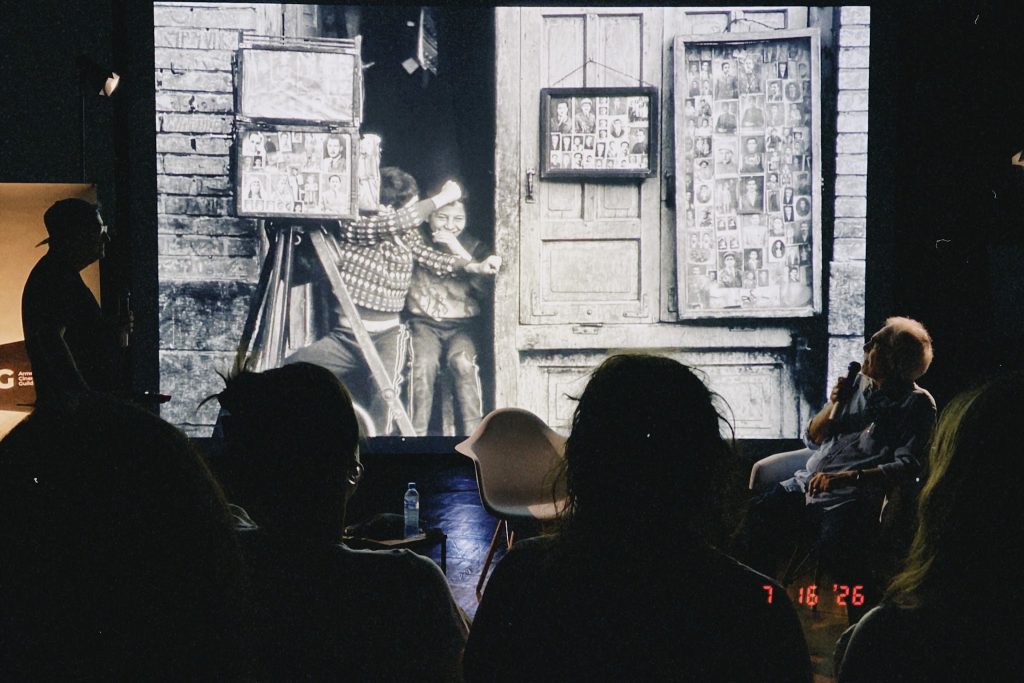
Iranian master Mahmoud Kalari brought an approach grounded in proximity, human truth, and spatial tension. Best known for his work on Asghar Farhadi’s Oscar-winning A Separation, Kalari detailed his long journey through Iranian cinema and his commitment to unvarnished narrative honesty.
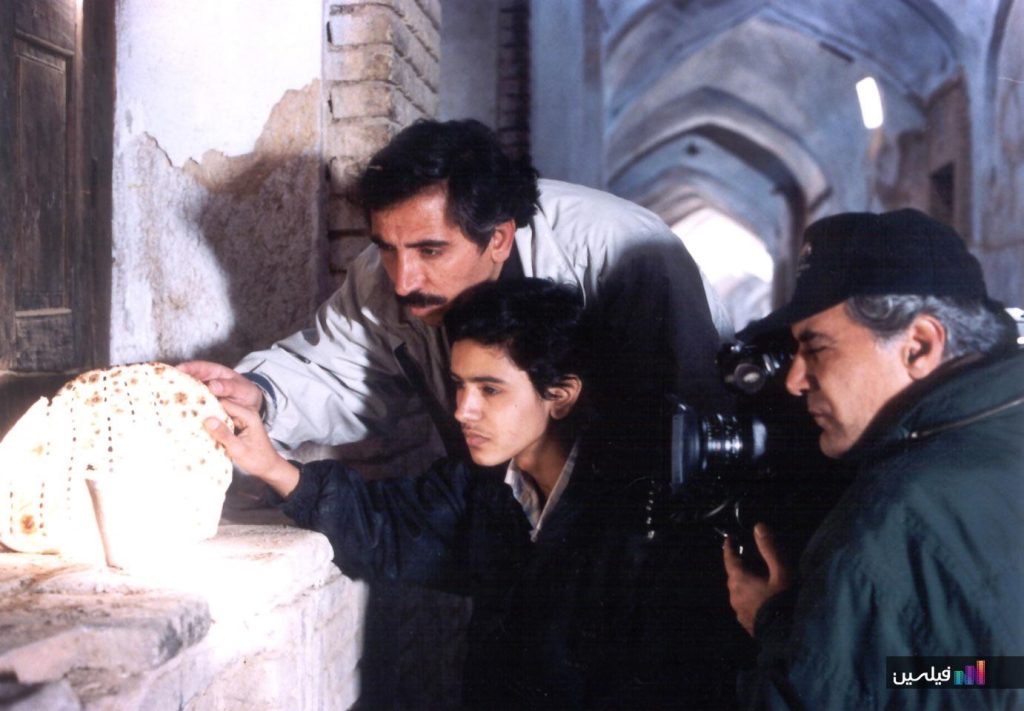
- The Aim: To capture raw emotional truth without intruding on the actor’s performance, allowing the camera to act as an invisible, fly-on-the-wall witness to moral dilemmas.
- Philosophy & Technique: Rejecting artificial embellishment, Kalari relies on organic, available, and practical light. He frequently positions characters within restrictive physical spaces—doorways, narrow hallways, or glass reflections—to visually mirror their moral and social entrapment.
- The Cinema Language: Psychological Realism. Kalari moves the lens not for decorative style, but as an active observer tracking body language, micro-expressions, and shifting human boundaries in real time.
Seamus McGarvey: The Dynamic Chameleon & Kinetic Narrative
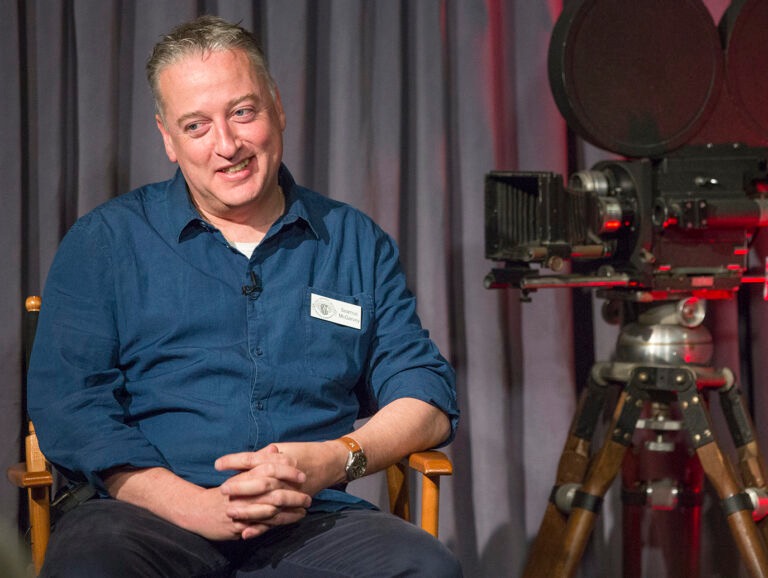
Northern Irish cinematographer Seamus McGarvey (ASC, BSC) showcased the extreme versatility required in contemporary filmmaking. Seamlessly moving between character-driven psychological dramas (Atonement, We Need to Talk About Kevin) and kinetic visual spectacles (The Avengers, Godzilla), McGarvey highlighted visual adaptability as a core artistic strength.
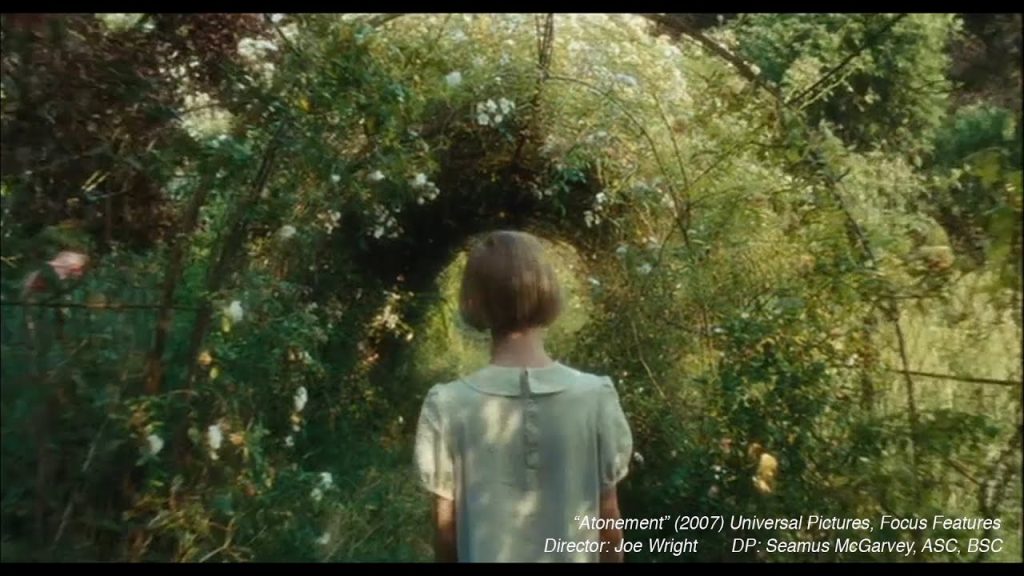
- The Aim: To serve the specific rhythm and scale of the narrative, using kinetic camera movement to bridge complex character psychology with visual grandiosity.
- Philosophy & Technique: Master of long continuous takes (oners)—such as the celebrated 5-minute Dunkirk beach sequence in Atonement—McGarvey demonstrated how camera movement constructs immense narrative momentum without cutting. Driven by narrative psychology rather than a rigid personal aesthetic, he adapts his tools fluidly, whether shooting on tactile 35mm stocks like Ektachrome for bold, raw textures (Die My Love) or using complex digital lighting rigs.
- The Cinema Language: Kinetic Narrative. McGarvey uses spatial movement and lens choice to make the audience feel both the physical scale and emotional weight of a moment simultaneously.
Visual Philosophies in Comparison
Comparing these three masters highlights a fundamental truth shared throughout the DoPing masterclasses: the camera is never neutral.
| Director of Photography | Core Philosophy | Primary Aesthetic Focus | Narrative Function & Identity |
| Bruno Delbonel | Impressionistic & Textural | Stylized light & desaturated color | The Painter’s Brush: Translates internal emotion into mood |
| Mahmoud Kalari | Observational & Naturalistic | Practical light & tight spatial framing | The Active Witness: Captures moral tension and human truth |
| Seamus McGarvey | Kinetic & Adaptable | Rhythmic movement & varied mediums | The Fluid Storyteller: Drives story momentum through scale |
Strengthening Regional Synergy
Our attendance as the Georgian Association of Cinematographers marks an essential milestone in building active communication, mutual respect, and ongoing creative collaboration between Georgian and Armenian image-makers.
Strengthening the connection between our regional guilds paves the path for:
- Co-Production Workflows: Streamlining crew exchange, shared technical gear, and talent mobility across our borders.
- Educational Exchanges: Organizing joint technical summits, workshops, and masterclasses across Yerevan and Tbilisi.
- A Unified Regional Voice: Establishing the South Caucasus as an interconnected, vibrant hub for international cinema and local visual heritage.
When masters of the craft speak on optics, lighting, and camera choices, they show how technical choices dictate how an audience feels without a single word being spoken. We extend our sincere gratitude to the Armenian Cinematographers Guild for their hospitality, visionary leadership, and exceptional organization in bringing our filmmaking communities together.